How to Take Care of Your Teeth With Invisalign
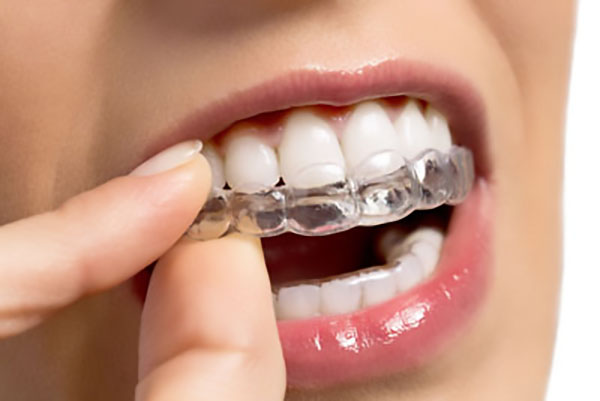
There is a lot to like about Invisalign® orthodontic treatment. These clear aligners have helped many patients correct their crooked, misaligned teeth. If you are ready to change your smile and achieve the appearance you have been looking for, this could be the right solution. Make sure you take good care of your appliance so it will work effectively.
How Invisalign works
These clear aligners have the same purpose as traditional metal braces: make teeth straight. The aligners are custom-made to fit in a person’s mouth and gradually move teeth into the right places. The aligners can repair crooked teeth, underbites, overbites and crossbites. People with misaligned jaws and misshapen teeth can also benefit from this treatment. This plastic mouthpiece puts pressure on the teeth, reforming the bone to move them into the right locations in the mouth. Patients will get a new aligner every few weeks until the treatment is over.
Wear it throughout the day
There are many reasons why people choose Invisalign over metal braces. The appliance is practically invisible and will not cause sores or cuts in the mouth. Also, patients can remove the aligner and not wear it 24 hours a day. However, for desired results, the patient should wear the aligner for at least 20 hours a day; 22 hours is the ideal time frame. This will more likely shorten the treatment time and help the patient achieve the look they want.
Remove them to eat
Mealtime is a good occasion to remove Invisalign aligners. This will reduce the chances of food particles getting caught under the appliance. This practice will also keep the mouthpiece cleaner and more sanitary. Patients should be sure to replace the aligner soon after eating.
Do not forget to rinse it
Even people who take out the Invisalign appliance to eat may still find debris in it. Ignoring this could lead to bacteria buildup. Fortunately, consistently rinsing it under the faucet can solve many of these challenges. Patients should do this first thing in the morning and before bed.
Brushing is critical
Regular brushing and flossing habits should continue after the person gets Invisalign. The patient should also remember to brush the aligner. This should happen daily, if not twice a day. Doing so with a soft-bristled brush and a non-abrasive toothpaste will keep the appliance in good condition.
Report any damage
Invisalign should withstand normal daily use. If the patient detects any nicks, tears or other damage to the aligner, they should call the dentist right away. Also, patients should inform the dentist right away if the mouthpiece becomes lost. The dentist can make a new one and continue the treatment plan.
Do your part
Straightening teeth takes time, but with Invisalign, you can experience faster results than with braces. If you are diligent about wearing your aligner and maintaining it properly, you can have a beautiful smile. If you have concerns or questions about taking care of your mouthpiece, talk to your dentist. You are making a financial commitment to this treatment and putting a lot of time into your smile. Make your efforts worth it.
Request an appointment here: https://www.thanasasdds.com or call Thanasas Family Dental Care at (248) 260-2878 for an appointment in our Troy office.
Check out what others are saying about our services on Yelp: Read our Yelp reviews.
Recent Posts
A dental emergency can happen at any time. Fortunately, an emergency dentist provides immediate treatment to alleviate pain, prevent potential complications, and restore oral health. Delaying treatment can lead to further damage, making it essential to address issues as soon as they occur. Below are five reasons to visit an emergency dentist.Persistent or intense tooth…
A family dentist can make routine dental care more convenient by treating patients at different stages of life under one roof. From children learning healthy brushing habits to adults managing restorations and preventive care, a family-focused practice supports long-term oral health through consistent treatment and familiar care. Choosing the right office involves more than finding…
An emergency dentist is essential for treating dental injuries, including a knocked-out tooth. Whether resulting from a sports injury, accident, or fall, a lost tooth requires immediate attention to improve the chances of successful re-implantation. Timely care from a skilled emergency dental professional further increases the likelihood of preserving the tooth and reducing the risk…
An emergency dentist offers urgent and specialized care for unplanned dental issues, especially when severe pain or sudden trauma requires immediate attention. These situations can feel overwhelming and may raise many questions about what to expect and how to prepare. Therefore, it is good to have a list of questions to ask before arriving at…