Oral Surgery for Sleep Apnea
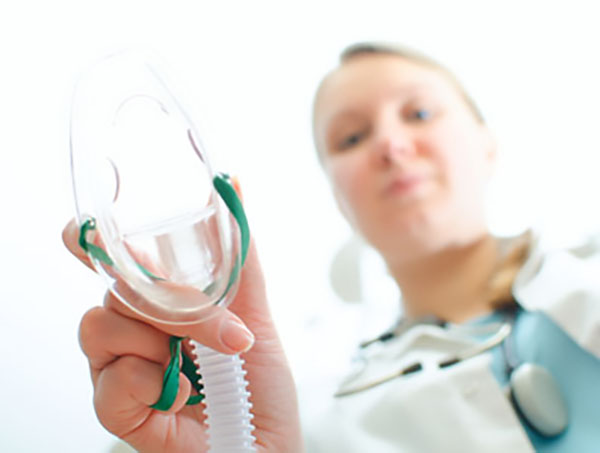
Sleep apnea is a health condition that leads a person's breathing to stop periodically during sleep, and it can have serious health consequences when left untreated. Sleep apnea is often caused by muscles in the throat relaxing and collapsing into the airways during sleep. When it stops a person's breathing, their body wakes up to restore their breathing. This makes it impossible for people with sleep apnea to get quality sleep.
The consequences of sleep apnea not being treated include health problems like high blood pressure and a variety of mental problems like anxiety.
Surgical treatments for sleep apnea
Surgical treatments are typically used as a last resort when other treatments like oral appliances, CPAP devices and lifestyle changes have failed. The most popular surgical treatments used to address sleep apnea include:
- Radiofrequency volumetric tissue reduction (RFVTR): This option is typically explored when a CPAP machine is not a viable option. It involves using radiofrequency waves to remove or shrink tissues in the back of the patient's throat, widening their airway. This treatment can also be used to address snoring
- Uvulopalatopharyngoplasty: This surgical option involves removing tissues from the back of the mouth or the top of the throat that might be blocking the patient's airways during sleep
- Maxillomandibular advancement: Also known as jaw repositioning surgery, it involves surgically moving the jaw forward so there is more space behind the tongue
- Anterior inferior mandibular osteotomy: During this treatment, the patient's chin bone is divided into two parts, creating space for the tongue to move forward. This opens up the person's airways while stabilizing their mouth and jaw. This procedure is often combined with other surgical treatments to improve its effectiveness
- Genioglossus advancement: During this surgical procedure, the tendons at the front of the patient's tongue are tightened. This prevents the tongue from rolling back and interfering with breathing during sleep
- Midline glossectomy and base-of-tongue reduction: During this procedure, a portion of the back of the patient's tongue is removed, expanding their airway. It is one of the most effective surgical treatments used to address sleep apnea, with a success rate of over 60%
- Lingual tonsillectomy: This involves removing the patient's tonsils and the tonsillar tissue at the base of the tongue. The procedure is performed to open up the lower areas of the throat, opening up the airways
- Septoplasty and turbinate reduction: This procedure is performed to straighten out the nasal septum, which straightens out the nasal cavities, making it easier for the person to breathe during sleep
- Hypoglossal nerve stimulator: During this procedure, a small electrode is connected to the main nerve that controls the tongue's movement, known as the hypoglossal nerve. The electrode is connected to a pacemaker-like device and it stimulates the tongue to move out of the way when it blocks the airway during sleep
Put sleep apnea behind you
Contact our Troy clinic today if you are struggling with sleep apnea. Our team of dental health professionals will help you explore your treatment options.
Request an appointment here: https://www.thanasasdds.com or call Thanasas Family Dental Care at (248) 260-2878 for an appointment in our Troy office.
Check out what others are saying about our services on Yelp: Read our Yelp reviews.
Recent Posts
Your cosmetic dentist can transform your appearance by enhancing your smile. You may be able to get these treatments from your general dentist. But a dentist who focuses on cosmetic dental treatments can deliver them with more detail. The following are the common procedures your cosmetic dentist can perform.This treatment is also called cosmetic bonding.…
A cosmetic dentist can help create a smile you will be proud of, whether you are suffering from chipped teeth, stains, gaps, or poorly aligned teeth that are detracting from your smile's appearance. Most people have multiple dental issues that affect the aesthetics of their teeth, requiring a comprehensive treatment plan to address.Cosmetic dentists are…
Sleep apnea can affect breathing, energy levels, and overall health, and a dentist may play an important role in supporting treatment. While a physician or sleep specialist provides the diagnosis, a general dentist can identify possible signs during routine exams and provide oral appliance therapy when appropriate. This collaborative approach helps patients receive care that…
If your smile has been worn down over time due to issues like bruxism (grinding) or if you were simply born with smaller-than-average teeth, a cosmetic dentist can provide options to help you achieve the smile that you desire. Many people are self-conscious about their smiles due to the color of their teeth or crookedness,…