Dental Crown Placement After a Root Canal
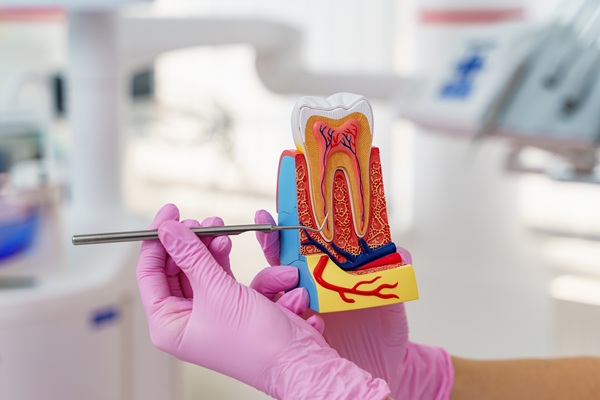
Hearing that you need a root canal may not be welcome news. Rest assured, the procedure is not as scary as its reputation. Despite what you may have heard, there is minimal pain and discomfort during the process. Along with cleaning out your tooth, you will likely get a crown over it to protect it from further damage and infection.
The purpose of a root canal
This common procedure is necessary when a tooth has become severely decayed or infected. Without this treatment, the tooth could abscess, and infection could spread throughout the mouth and into other parts of the body. The dentist removes the pulp, which contains vessels and nerves. After cleaning out the tooth, the dentist disinfects the area and then seals it. This helps to prevent further problems and reduces the risk of cavities and infections in the tooth.
What the crown does
Sometimes known as a dental cap, the crown goes over a tooth, protecting it and stabilizing it. The crown is typically made of porcelain, ceramic, resin, or porcelain-fused-to-metal. The dentist can make the crown the same color as the surrounding teeth so that it will not stand out.
Some crowns are made of metal. Though these are more noticeable, they are often more durable and long-lasting. A crown looks like a natural tooth and allows the patient to retain full biting and chewing capabilities.
Placing the crown
After finishing the root canal, the dentist may place a temporary crown over the tooth. In this case, the patient would return to the office in a few weeks for a permanent one. Other dentists begin preparing the crown before the root canal procedure so that it is ready for the patient. T
To put the crown over the tooth, the dentist must first take X-rays and make impressions of the patient’s mouth. This ensures that the crown will fit. When the patient is ready to receive it, the dentist shaves the tooth and cements the crown in place.
Caring for the crown
Though crowns can withstand a lot of force, patients should be cautious about what they eat. The dentist may advise the person to avoid hard foods after the root canal. This may be necessary in the long term to protect the crown as well.
Daily brushing and flossing are still critical. These activities will help the crown last longer and work effectively. At each dental checkup, the dentist will examine the crown to ensure it still fits properly and remains in good condition.
Benefits of having a dental crown after a root canal treatment
Root canal treatment can help extend the life of one’s tooth. Removing the infected pulp tends to weaken the dental structure. That is why the dentist will suggest a dental crown for the treated tooth. Here are the benefits of having a crown after a root canal treatment:
Restoring the tooth's appearance
Root canal therapy can change a tooth’s color. The treated tooth may appear gray or even stained. This can make the tooth stand out from the rest of the natural teeth. Placing a crown over the treated tooth can renew its appearance. The dentist can match the color of the crown to the color of the surrounding teeth. This will make it difficult for anyone to tell which tooth had root canal treatment.
Protects the tooth
The treated tooth will be weaker and more sensitive to temperature and touch. They may also seem more brittle, leaving them susceptible to damage. This sensation can be uncomfortable. That is why the dentist will place a crown over the treated tooth to protect the tooth and the patient's comfort, preventing further damage and infection.
Restores damaged teeth
As previously mentioned, root canal therapy can make the tooth more brittle, especially in cases of severe damage and decay. It will need some level of strengthening after this treatment. A dental crown can provide the support the dental structure needs. It can restore the broken tooth and extend its functionality.
An important step in the treatment process
When you get a root canal, cleaning the tooth and removing the decay are not the only parts of the procedure. A dental crown can protect your treated tooth and reduce the risk of future damage. Do you have questions for the Thanasas Family Dental Care team? Call our Troy office to schedule a consultation.
Request an appointment here: https://www.thanasasdds.com or call Thanasas Family Dental Care at (248) 260-2878 for an appointment in our Troy office.
Check out what others are saying about our dental services on Yelp: Root Canal Treatment in Troy, MI.
Recent Posts
When a tooth root becomes infected by bacteria, a root canal treatment may be recommended to remove the infected tooth tissue. While some may fear this procedure, the truth is there is more to worry about in the consequences of not receiving a necessary root canal than of getting one in the first place. Failing…
Many people worry about root canal treatment pain, and some individuals even avoid treatment because of fear it will hurt. But with modern techniques and anesthetics, this procedure can be performed with minimal discomfort. Root canals are usually done with an injected form of anesthesia to numb the affected tooth. It usually helps to control…
Root canal treatment is usually required when the nerves and pulp inside teeth get inflamed, irritated or infected. Millions of people undergo the procedure every year, and it is often due to different dental conditions. Continue reading to know when the general dentist might recommend the procedure.Root canal therapy prevents further damage to a tooth…
Do you think you may need a root canal in the near future? When the pulp inside of a tooth becomes infected, it can put the tooth at risk of becoming lost or the infection can eventually spread. A root canal can save the tooth by removing the infected pulp and preserving and protecting the…