What Materials Are Metal-Free Crowns Made of?
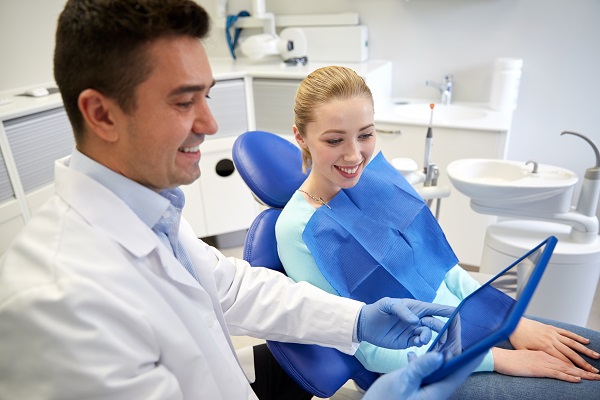
Metal-free crowns are dental crowns, which are tooth-shaped caps that dentists place over a tooth to cover the tooth, improve its appearance, restore its shape, size and strength and also protect the tooth from infection. When a crown has been cemented into place, it covers up the visible parts of the tooth all the way down to the gum line. Teeth that are protected by metal-free crowns are less susceptible to decay because they make it easier to keep the gum line cleaner. Metal-free crowns also eliminate the risk of an adverse reaction for people who are allergic to metal.
What are metal-free crowns made of?
Metal-free crowns are made from different materials, all of which have their advantages and disadvantages. Some of the most commonly used metal-free crowns include:
All-resin crowns
These crowns are made from a composite resin material that can be color-matched to the natural teeth, which make them look quite natural. They are also the least expensive type of dental crown, which adds to their appeal. However, they are not very durable and are prone to fractures.
All-porcelain crowns
These dental crowns are made from porcelain, which is a material that is tougher than the enamel of the teeth. Porcelain crowns provide patients with the most natural-looking replacements for their teeth and they can be used on both back and front teeth. They are also very popular with patients who have metal allergies.
All-ceramic crowns
As the name suggests, these crowns are made entirely from ceramic. Like porcelain crowns, they can be color-matched to the teeth, which make them almost impossible to differentiate from natural teeth and can also be used on both the front and back teeth. However, they are not as durable as porcelain crowns
What are the benefits of metal-free crowns?
Some of the benefits of metal-free crowns include:
- Protecting a weak tooth from breaking or holding together a cracked tooth
- Restoring a broken or worn-down tooth
- Covering up a tooth with a large filling if there is not a lot of the tooth left
- Holding a dental bridge in place
- Cover a traumatized tooth
How long does it take to get a dental crown?
The number of trips to the dental office to get a dental crown depends on the type of technology used by the dentist. In some cases, the patient will have to make two trips to the dentist. The first trip is to get an impression of the teeth made and to get the tooth prepped for the dental crown. The dentist will call the patient in for a second visit when the permanent dental crown is ready to get it cemented into place. If the dentist has a CEREC machine, the dental crown can be made and fitted in one trip, saving the patient some time and money.
Conclusion
Metal-free dental crowns are used to restore the appearance of your teeth and also protect them from decay and infection. If you are considering getting dental crowns for any reason, have a conversation with your dentist about getting a metal-free crown.
Request an appointment here: https://www.thanasasdds.com or call Thanasas Family Dental Care at (248) 260-2878 for an appointment in our Troy office.
Check out what others are saying about our services on Yelp: Read our Yelp reviews.
Recent Posts
Your cosmetic dentist can transform your appearance by enhancing your smile. You may be able to get these treatments from your general dentist. But a dentist who focuses on cosmetic dental treatments can deliver them with more detail. The following are the common procedures your cosmetic dentist can perform.This treatment is also called cosmetic bonding.…
A cosmetic dentist can help create a smile you will be proud of, whether you are suffering from chipped teeth, stains, gaps, or poorly aligned teeth that are detracting from your smile's appearance. Most people have multiple dental issues that affect the aesthetics of their teeth, requiring a comprehensive treatment plan to address.Cosmetic dentists are…
Sleep apnea can affect breathing, energy levels, and overall health, and a dentist may play an important role in supporting treatment. While a physician or sleep specialist provides the diagnosis, a general dentist can identify possible signs during routine exams and provide oral appliance therapy when appropriate. This collaborative approach helps patients receive care that…
If your smile has been worn down over time due to issues like bruxism (grinding) or if you were simply born with smaller-than-average teeth, a cosmetic dentist can provide options to help you achieve the smile that you desire. Many people are self-conscious about their smiles due to the color of their teeth or crookedness,…