How an Emergency Dentist Treats a Swollen Jaw
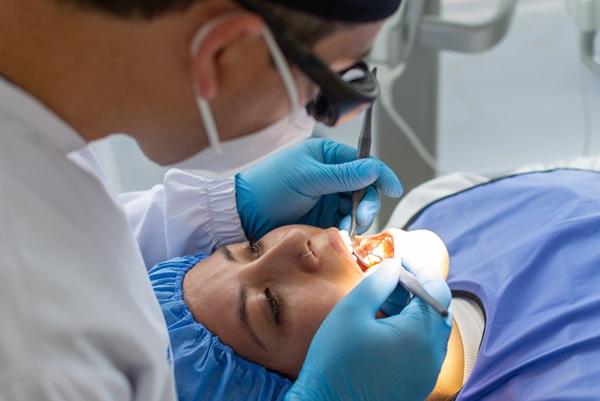
Pain or discomfort in your mouth might call for an emergency dentist. Emergency dentists often treat cracked or broken teeth, knocked-out teeth, and severe mouth pain. Some swollen jaws are considered dental emergencies as well. Read on to learn what constitutes a swollen jaw emergency and how emergency dentists can help.
When is a swollen jaw an emergency?
If the swelling in your jaw appears suddenly or is accompanied by severe pain or fever, then you should seek immediate attention. These might be signs of an underlying infection or a dental abscess. Infections and abscesses in the mouth are serious conditions that can spread to other parts of the body and have significant consequences.
Even if you know the cause of your swelling or pain, it may still be an emergency. A swollen jaw resulting from trauma to the face might indicate other issues. For example, if you fall and hit your face on a hard surface, then your swelling and pain could indicate a broken jaw bone or damaged teeth and gums. These issues often require swift treatment, so you should contact your dental office right away.
How does an emergency dentist treat a swollen jaw?
Emergency dentists treat swollen jaw issues in a variety of ways. While prompt treatment is often necessary, follow-up care can be just as important.
Immediate care
First, your dentist will enquire about the nature of the pain and swelling. He or she will ask if you know the cause, where any pain is, how bad the pain is, and when the symptoms first began. Then, he or she will perform a thorough inspection of your mouth to determine the cause and ease your pain with medication.
If an infection or abscess is causing your troubles, then your dentist will work to remove the problem tissue and quickly drain any puss. You may also need an emergency root canal for your dentist to fully remove any infected tissue. Afterward, your dentist will carefully clean the affected areas and surrounding healthy tissue. He or she might also prescribe a round of antibiotics to fight against further infection.
If an injured jaw or tooth is causing inflammation and discomfort instead, your dentist will work to fix or extract the broken bone. A cracked or broken tooth might require an emergency filling or bonding procedure. A missing tooth can be reattached if you find the missing tooth, preserve it properly, and get to your dentist right away. Otherwise, an artificial implant might be necessary. If the jaw bone itself is fractured, an emergency dentist may have to wire your jaw to ensure that it heals and later functions correctly.
Long-term care
The emergency dentist will recommend at-home treatments to manage pain and inflammation over the next few days. This will likely include using cold compresses and taking non-steroidal anti-inflammatory medication as instructed. It is important to tell your emergency dentist about any underlying health conditions you have, as well as all medications you are taking. This will help them prescribe or recommend the right medication and proper dosage.
Soft foods can help prevent more discomfort in the area and may be recommended for the next few days as your jaw continues to heal. Look for options that contain some higher nutritional value, including:
- Bone broth or soup
- Greek yogurt
- Oatmeal
- Scrambled Eggs
- Fruit and vegetable smoothies
- Soft fruits, such as bananas, berries, and unsweetened applesauce
- Cottage cheese
It is normal for some pain and swelling to persist for a few days, even after treatment, but these symptoms should steadily improve. Monitor your symptoms carefully and contact the dentist if they worsen or persist. Finally, you may need to schedule a follow-up appointment with your regular dentist to evaluate the area. Even if you do not need to be seen for a few weeks, schedule the appointment as soon as possible to ensure you can be seen in the recommended time frame.
Conclusion
An inflamed, achy jaw is not only frustrating but may also point to a more serious issue. Whether you know the cause of the swelling or not, you should seek immediate dental care. Do not try to take care of these issues on your own. Proper inspection and treatment by a trained professional is the optimal way to handle a swollen jaw. Also, take steps to care for the area and follow the emergency dentist's recommendations after treatment.
Request an appointment here: https://www.thanasasdds.com or call Thanasas Family Dental Care at (248) 260-2878 for an appointment in our Troy office.
Check out what others are saying about our dental services on Yelp: Emergency Dentist in Troy, MI.
Recent Posts
Finding an emergency dentist as soon as possible in a dental emergency is essential when dealing with sudden tooth pain, trauma, or other urgent dental issues. Delayed treatment can lead to worsening conditions, increased pain, or even permanent damage. Choosing the right provider ensures that emergency care is both timely and effective. Here are three…
A dental emergency can happen at any time. Fortunately, an emergency dentist provides immediate treatment to alleviate pain, prevent potential complications, and restore oral health. Delaying treatment can lead to further damage, making it essential to address issues as soon as they occur. Below are five reasons to visit an emergency dentist.Persistent or intense tooth…
An emergency dentist is essential for treating dental injuries, including a knocked-out tooth. Whether resulting from a sports injury, accident, or fall, a lost tooth requires immediate attention to improve the chances of successful re-implantation. Timely care from a skilled emergency dental professional further increases the likelihood of preserving the tooth and reducing the risk…
An emergency dentist offers urgent and specialized care for unplanned dental issues, especially when severe pain or sudden trauma requires immediate attention. These situations can feel overwhelming and may raise many questions about what to expect and how to prepare. Therefore, it is good to have a list of questions to ask before arriving at…